Expressions of Interest for Broken Earth Complex at iconic Line of Lode reserve
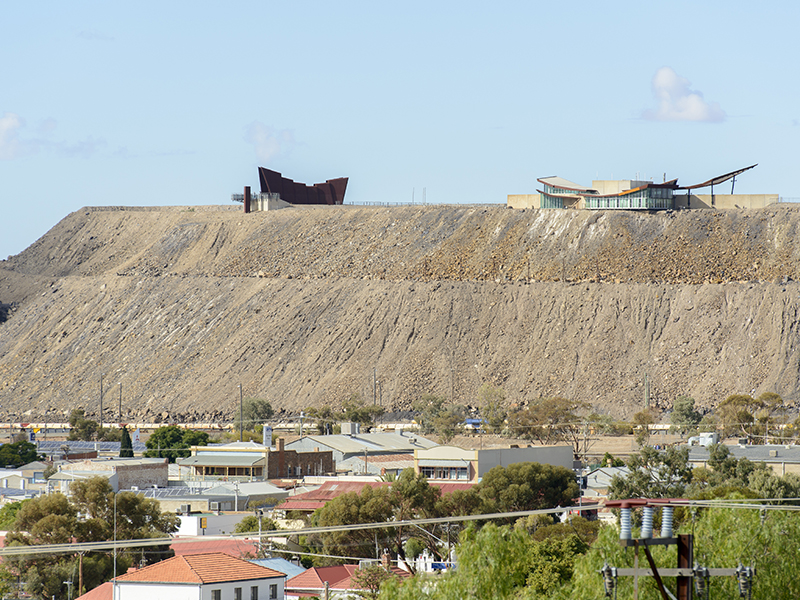
Not for profit Foundation Broken Hill Limited has announced an exciting opportunity for a commercial operator to enhance one of NSW’s most unique Crown land reserves, the Line of Lode in Broken Hill.
Renewable energy
Explore how Crown land supports renewable energy projects that drive sustainability, boost local economies, and reduce carbon emissions.

Apply to convert a term of a western lands lease to perpetuity
Apply to convert a western lands lease to perpetuity on Crown land in NSW. Find out what documents you need and how to submit your application.

Apply to extend the term of a western lands lease
Apply to extend the term of a Western Lands Lease on Crown land in NSW. Learn eligibility, required documents, and how to submit your application.
Board members sought for Crown land holiday parks operator Reflections Holidays
The NSW Government is seeking four experienced and dynamic individuals to join the board of Reflections Holidays which oversees the State’s network of Crown land holiday parks.
Indigenous land use agreements
Residents who live in dugouts in the outback community of White Cliffs were granted permanent leases in 2021, following an agreement between the NSW Government and Barkandji people, who are native title holders over the land.
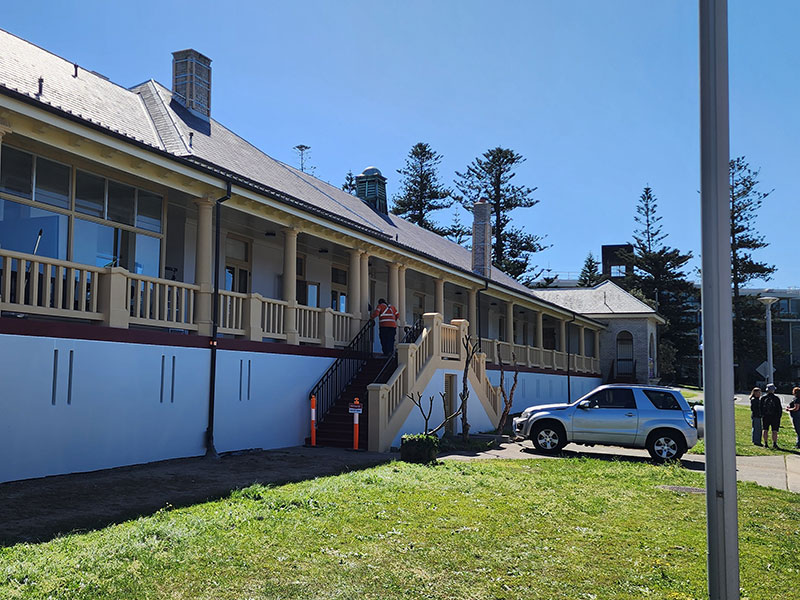
NSW Government preserves heritage on Little Bay's Coast Centre for Seniors
The Minns Labor Government has completed major restoration work at the Coast Centre for Seniors in Little Bay, preserving one of 13 State-heritage listed buildings and assets in the Prince Hency Precinct at Little Bay in Sydney's eastern suburbs.
Central West reserve reopened to the public
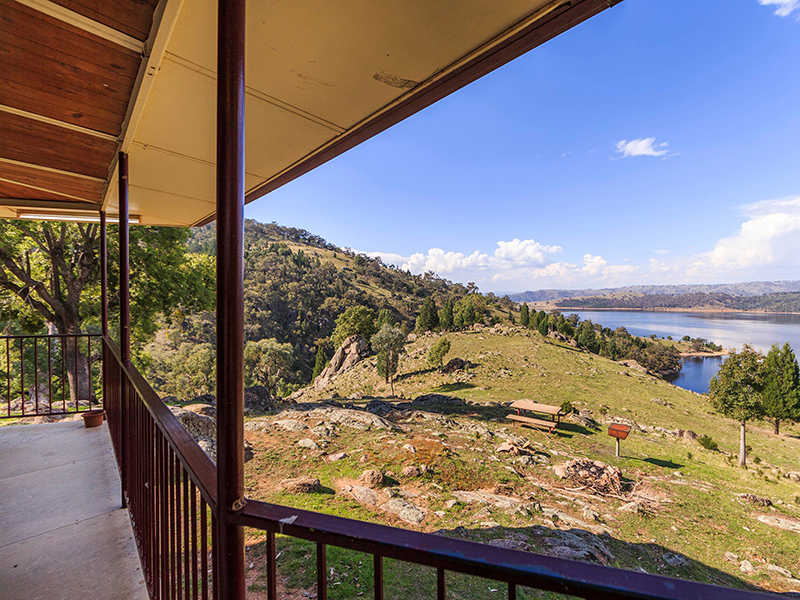
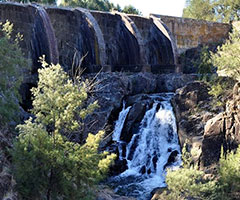
A unique Crown land reserve in the Central West that is home to a NSW engineering marvel and stunning scenery has been reopened to the public after a 30 year hiatus.
New natural pathway for Wairo Beach
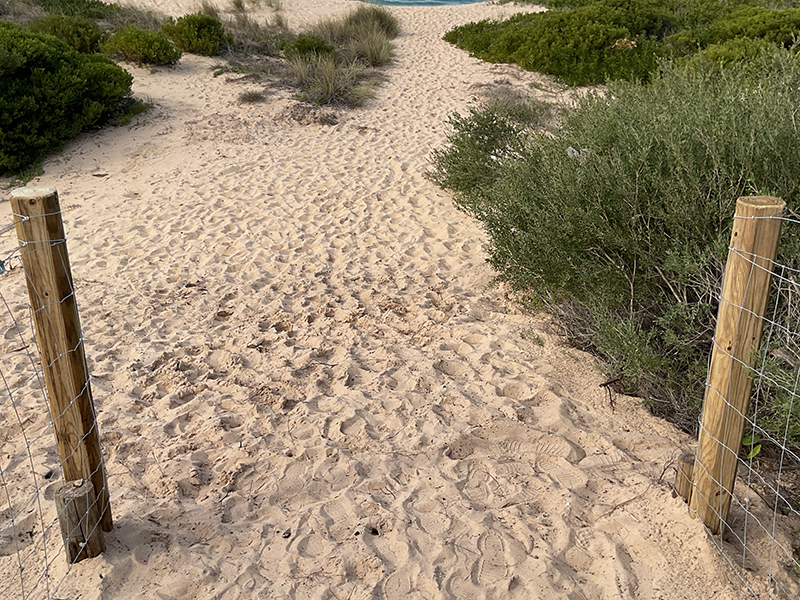
The NSW Government has removed a dilapidated timber boardwalk at Wairo Beach on the state’s South Coast and replaced it with a natural pathway to boost public safety and protect the area’s precious and unique natural habitat.
Far West community champions awarded for outstanding Crown land volunteer service
Twenty-three loyal volunteers from across the Far West region of NSW have been awarded Crown Lands Service Recognition Awards for over 10 years or more service on land manager boards, taking care of public land on behalf of their communities.